

In today’s interconnected world, student communities play a pivotal role fit academic and personal experiences.

These communities are not simply collections of individuals but are dynamic ecosystems that foster development, learning, and cooperation among students. They vary widely in type and feature, from campus-based groups to international on the internet discussion forums, each offering special possibilities for interaction and development.
Whether you are tipping onto an university campus for the first time or participating in online discovering environments, understanding the structure and benefits of trainee neighborhoods can greatly enhance your instructional journey. This short article explores the significance of student neighborhoods, discovering just how they operate, the benefits they provide, and the ways in which they can be leveraged for individual and academic success.
Understanding Trainee Communities
Pupil neighborhoods are fundamental to the academic experience, serving as both social and academic support group. At their core, these neighborhoods are groups created naturally by pupils that share typical interests, objectives, or disciplines. They can be informal, such as study groups, or formal, like trainee unions and clubs.
These areas are characterized by a common identity and the collective pursuit of knowledge, skills, and experiences. They function as systems for pupils to attach, collaborate, and contribute to each various other’s development, expanding beyond scholastic borders to influence personal advancement and neighborhood engagement.

Basically, pupil neighborhoods are microcosms of larger societal frameworks, where leadership abilities are sharpened, ideas are traded, and long-lasting relationships are developed. The interactions within these areas mirror a diverse blend of social, intellectual, and social characteristics.
- Networking Opportunities: Student neighborhoods give a network of peers and advisors that can provide support and assistance.
- Ability Advancement: Participating in area tasks assists students create crucial abilities such as interaction, management, and synergy.
- Resource Gain access to: These communities usually give access to academic resources, including research study materials and professional advice.
- Social Interaction: They use a system for social communication, easing the shift right into new academic atmospheres and helping to battle seclusion.
Via these various functions, pupil communities end up being essential to the all natural advancement of pupils, laying a structure for future specialist and personal success.
The Benefits of Taking Part In Pupil Communities
The advantages of participating in trainee neighborhoods are complex, influencing both academic and personal balls.
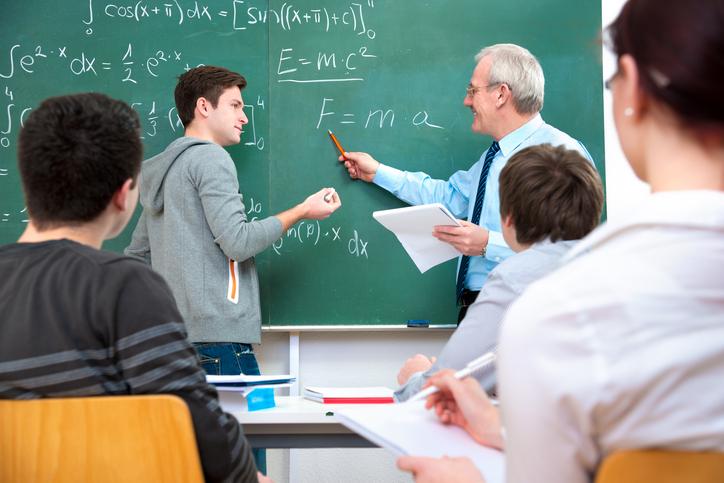
On a scholastic level, these communities encourage joint understanding, allowing trainees to take advantage of diverse point of views and proficiency. Sharing expertise and sources within a community can bring about a lot more reliable discovering outcomes and enhanced scholastic performance.
In addition, trainee areas provide a platform for individual growth and self-discovery. By involving with peers from different histories and techniques, trainees get a wider worldview, boosting their cultural capability and compassion. This exposure to varied perspectives is vital in creating vital reasoning and problem-solving skills.
Additionally, energetic engagement in neighborhood activities can boost pupils’ confidence and self-worth. Taking on management duties or joining discussions 1. What was one thing that occurred the day before the Battle of the Alamo began? A. Susanna Dickinson left the Alamo for Gonzales. B. Mexican buglers played “El Degüello”. C. Travis drew a line in the and occasions fosters a feeling of accomplishment and belonging, which is important for total wellness and inspiration.
Sorts Of Pupil Communities
Pupil communities can be found in various types, each accommodating various interests and objectives. These can be broadly categorized right into academic, social, recreational, and specialist communities, to name a few. Each kind offers distinct systems and chances for pupil interaction.
- Academic Communities: These are typically centered around specific disciplines or scholastic interests. Instances include study groups, honors societies, and department clubs.
- Social Areas: These groups concentrate on promoting cultural recognition and diversity, typically arranging events and activities to celebrate numerous traditions.
- Entertainment Areas: These include sporting activities teams, entertainment clubs, and hobby-based groups that give a break from academic rigors and promote physical and psychological health.
- Specialist Communities: These are targeted at career advancement, using networking possibilities, workshops, and mentorship programs to prepare students for the specialist world.
By identifying and involving with the appropriate communities, trainees can customize their university experiences to align with their passions and occupation goals, paving the way for a fulfilling scholastic journey.
Constructing a Growing Pupil Community
Developing and preserving a prospering pupil area requires effort and cooperation from both students and universities. It starts with fostering an inclusive environment where all trainees feel welcomed and valued regardless of their histories.
Organizations can sustain this by supplying sources and centers that encourage communication and involvement. This includes creating physical rooms like pupil unions and on the internet systems that promote communication and cooperation. Furthermore, organizing events, workshops, and seminars can further boost interaction, supplying students with chances to connect and learn from each various other.
Leadership and Student Participation
Efficient leadership is essential in nurturing an effective pupil neighborhood. Management duties within these communities supply trainees an opportunity to develop and demonstrate their organizational and interpersonal abilities. Pupils who assume these functions add dramatically to establishing the tone and direction of their neighborhoods, affecting their peers favorably.
Encouraging management and energetic involvement among students not just enhances the community yet likewise equips individuals, preparing them for future challenges. By fostering a culture of collaboration and assistance, pupil communities can grow, leaving a lasting influence on their participants and the academic atmosphere in its entirety.